

Building Healthcare Systems that Truly Support Breastfeeding: New Tools for Sustainable Change
A webinar of the Global Breastfeeding Collective
Skilled breastfeeding support within healthcare systems was essential to improving maternal and child outcomes and building stronger, healthier communities.
In honor of World Breastfeeding Week 2025, the Global Breastfeeding Collective hosted a webinar introducing three powerful tools countries could use to enhance the quality of breastfeeding support at every level of their healthcare systems.
Healthcare workers, health systems administrators, policy makers, and healthcare educators were urged to join as we explored:
- Equipping healthcare providers with foundational knowledge and skills to support breastfeeding before they entered practice, with the Model Chapter on Infant and Young Child Feeding for Medical Textbooks (2nd Ed.).
- Measuring and improving adherence to the 10 Steps at the facility and national levels, using the new Baby-Friendly Hospital Initiative (BFHI) Monitoring Manual.
- Building lactation support capacity and competency for healthcare workers, within facilities and in the community, so they could deliver quality breastfeeding support from the prenatal period through two years and beyond, using the Competency Verification Toolkit: Ensuring competency for providers of breastfeeding support and care.
Panel Discussion & Voices of Mothers Video
The webinar also featured a panel discussion with country-level representatives from three different regions that had effectively strengthened the delivery of breastfeeding support in national and subnational healthcare systems, and explored how the new resources could be applied in their specific regional contexts.
Attendees heard directly from mothers in the Voices of Mothers Video, which featured personal stories from mothers around the world illustrating how the lactation support they received—or did not receive—within the healthcare system had impacted their breastfeeding experience.
The webinar was held at two times:
5 August 2025 – 08h00 CEST
07:00 London/Lagos
08:00 Cape Town
11:30 New Delhi
15:00 Tokyo
16:00 Brisbane
6 August 2025 – 17h00 CEST
08:00 Vancouver
09:00 Mexico City
11:00 New York
12:00 Rio de Janeiro
Simultaneous interpretation was available in Arabic, English, Chinese, French, Spanish, and Russian.
The Global Breastfeeding Collective is a partnership of more than 20 prominent international agencies, including the World Health Organization and UNICEF, calling on donors, policymakers, philanthropists, and civil society to increase investment in breastfeeding worldwide.
Speakers

Moderator
Altrena Mukuria Ashe, Dr.P.H., IBCLC
Global Health Specialist
Dr. Mukuria Ashe is a recently retired global health specialist with over 40 years’ experience in managing and providing strategic direction to public health programs in 50 countries of Africa, Asia, Latin America, the Caribbean, and Eastern Europe. She has spent 20 years living and working in East Africa. Dr. Mukuria Ashe has served as Principal Investigator for over 20 studies in maternal, infant, and young child nutrition (MIYCN). Dr. Mukuria Ashe’s expertise in nutrition includes the study and application of gender and culturally sensitive social and behavioral change methodologies to maternal nutrition, infant feeding (breastfeeding and complementary feeding), Baby-Friendly Hospital Initiative, and Growth Monitoring & Promotion. Dr. Mukuria Ashe is an International Board Certified Lactation Consultant (IBCLC) currently practicing with the Rumina Postpartum Wellness Center in Baltimore, Md.
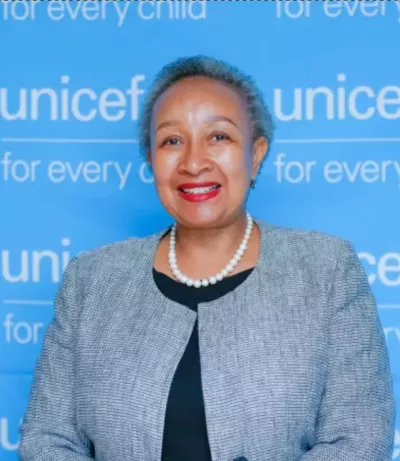
Dr. Joan Matji
Director of Child Nutrition and Development
Joan Matji is UNICEF’s Director of Child Nutrition and Development. With over 20 years’ experience in the nutrition field, Joan has held senior roles within the organisation, including Representative to Botswana, Representative to SADC, Regional Nutrition Advisor for Eastern and Southern Africa – where she provided oversight for UNICEF’s nutrition programming in 21 countries – and Chief of Nutrition in Ethiopia.
Prior to joining UNICEF, Joan served as an advisor on nutrition and HIV to USAID’s regional office in Southern Africa. She has taught undergraduate and post-graduate courses at the Medical University of Southern Africa and has written extensively on nutrition for various academic journals, while also serving as a reviewer for the South African Journal of Clinical Nutrition.
Joan is a national of South Africa and holds a PhD in Public Health Nutrition from the University of Pretoria and a Master of Science degree from the London School of Hygiene and Tropical Medicine.
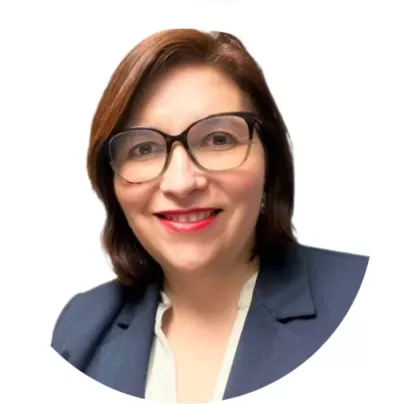
Dr Luz Maria De Regil
Director of the Department of Nutrition and Food Safety
Dr Luz María De Regil is the Director of the Department of Nutrition and Food Safety. She is responsible for the strategic and managerial work of the Department with Member States and partners to prioritize, plan, implement, monitor and regularly evaluate multisectoral efforts to ensure universal access to effective nutrition actions, safe food and healthy diets, through strengthening health systems and building forward better food systems which recognize the interdependence of the health of humans, animals and the wider environment.
Dr De Regil is an Epidemiologist with 20 years of experience in the public, private, non-for-profit and intergovernmental sectors. Her expertise spans from research in basic science to large-scale public health programming and policy. She has authored more than 150 peer-reviewed policy publications and has served in multiple international advisory bodies in public health and in the Boards of Non for Profit organizations.

Dr. Laurence Grummer-Strawn
Unit Head of the Food and Nutrition Actions in Health Systems Unit at the World Health Organization
Dr. Laurence Grummer-Strawn is the unit head of the Food and Nutrition Actions in Health Systems unit at the World Health Organization. He coordinates WHO work on infant and young child nutrition, prevention and treatment of acute malnutrition, and prevention of micronutrient deficiencies. Until December 2014, he served as chief of the Nutrition Branch at the U.S. Centers for Disease Control and Prevention (CDC). Having earned his PhD from Princeton University, he worked at CDC for over 23 years, in the areas of Reproductive Health and Nutrition. He is an epidemiologist who has published over 180 scientific publications. He is recognized internationally for his work on vitamin and mineral deficiencies, breastfeeding policy, and development of both the CDC and the WHO Growth Charts. He leads the Baby Friendly Hospital Initiative, the Code of Marketing of Breast-milk Substitutes, and the Global Breastfeeding Collective.
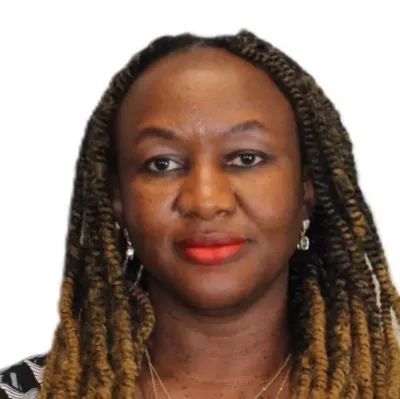
Fatmata Fatima Sesay
Nutrition Specialist, Infant Feeding, UNICEF HQ
Fatmata Fatima Sesay is a Nutrition Specialist, Infant Feeding with UNICEF HQ in New York. She manages the Infant Feeding portfolio and contributes to UNICEF’s global leadership in Early Childhood Nutrition. She has 18 years of experience in Maternal, Infant, and Young Child and Micronutrient Nutrition in both development and humanitarian settings. Fatmata holds an MSc in Public Health from the London School of Hygiene and Tropical Medicine, a BSc, and an MSc in Nutrition and Dietetics from Njala University, Sierra Leone.
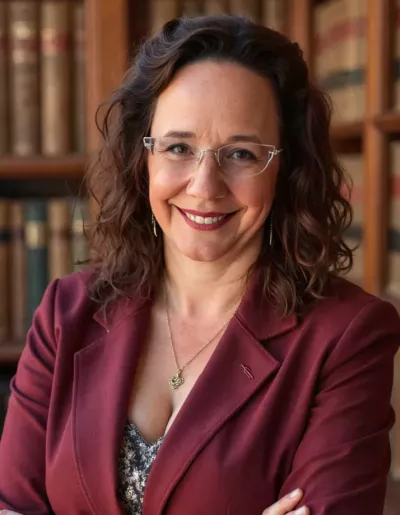
Dr. Nina Chad
Public Health and Nutrition Specialist, World Health Organization
Nina Chad is a public health and nutrition specialist with over 20 years’ experience shaping global policy and practice in infant feeding and child health. She currently leads technical work on infant and young child feeding as a consultant for the World Health Organization, Dr Chad has contributed to global guidelines, authored technical guidance, and played a leading role in the development of competency-based curricula for health professionals.She is known for translating complex evidence into practical tools and fostering cross-sectoral, equity-focused collaboration.
After gaining her PhD investigating the impact of toddler milk marketing on parental attitudes toward infant feeding in Australia, her research focused on designing and evaluating behaviour change communication strategies to promote vaccine acceptance and support infant and young child feeding practices. Her work draws on her experience in education, counselling, and community breastfeeding support. Dr. Chad has worked with Save the Children in Myanmar and with the International Board of Lactation Consultant Examiners, developing training and policy frameworks. She is a qualified breastfeeding counsellor, master trainer, assessor and curriculum designer.
Country-Level Panelists
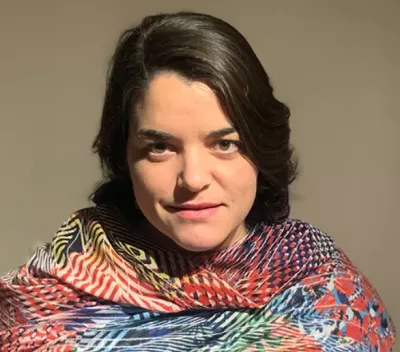
Mariana Colmenares Castaño, MD, IBCLC
Community Paediatrician at Chelsea and Westminster Hospital
Mariana is Mexican who lives in London where she works as a Community Paediatrician at Chelsea and Westminster Hospital. Mariana is IBCLC and works in breastfeeding medicine since 2011, recently collaborating with Global Breastfeeding Clinic in London. She currently serves as secretary of the Academy of Breastfeeding Medicine and is member of the WHO's expert committee "Global Breastfeeding Collective." Mariana is the coordinator and professor of the Breastfeeding Counseling course at ACCLAM and COA Nutrition. And she collaborates with national and international projects around BF.

Malang N. Fofana
Public Health Nutritionist and the current Executive Director of the National Nutrition Agency (NaNA)
Mr. Malang N. Fofana is a Public Health Nutritionist and the current Executive Director of the National Nutrition Agency (NaNA).
Prior to becoming the Executive Director in 2024, Mr Fofana have served 34 years in various capacities in the field of public health nutrition with the Ministry of Health and Social Welfare and the National Nutrition Agency.
Mr. Fofana has a long standing experience of working in the public health nutrition field. He started his career as a Public Health Officer under the Ministry of Health and Social Welfare, where he served as Senior Public Health Officer and Regional Nutrition Assistant for 10 years between 1990 and 1999. Following establishment of NaNA in 2000, he served in various position for the Agency from Programme Officer to Senior Programme Officer, Principal Programme Officer, Program Manager, Deputy Executive Director and Executive Director.
Mr. Fofana is one of the pioneers who spearheaded the initiation, expansion and implementation of several public health intervention programmes in The Gambia geared towards improving optimal IYCF including the piloting and the UNICEF/WHO Global BFHI and BFCI a comprehensive community based nutrition intervention incorporating maternal nutrition, infant nutrition, environment sanitation and personal hygiene and growth monitoring using local community structures called “Village Support Group on Infant Feeding” comprising 5 trained and certified women and 3 men per community.
Mr. Fofana also works as the Facilitator for the BReST Project, the Maternal and Child Health and Nutrition Project and the Gambia Social Safety Net project with a strong component on Social and Behavioural Change Communication and community engagement in promoting IYCF in The Gambia.
Mr. Fofana is a Gambian and holds a master’s degree in Public Health (Health Promotion and Environmental Health) from Leeds Metropolitan University (UK), BSc (Hons) Applied Human Nutrition from University of Wales Institute, Cardiff (UWIC) and Post Graduate Diploma (Hons) Maternal and Child Nutrition (Food and Nutrition Security) from International Agricultural Centre Wageningen, the Netherlands.
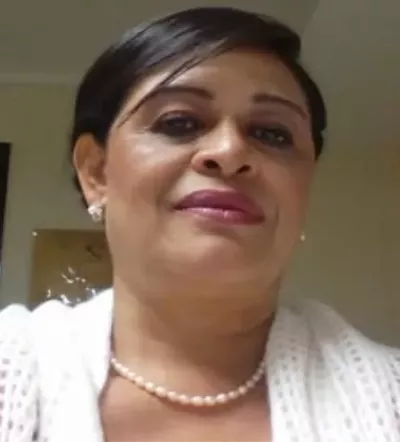
Dr. Maria Elena Guevara
Department of Second Level Care Services, Ministry of Health, Honduras
Maria Elena Guevara is a medical doctor graduated from the National Autonomous University of Honduras, with a strong background in the public health sector. She holds a master’s degree in Epidemiology from UNAN-Managua and a specialization in Immunohematology and Transfusion Medicine from the National
University of Rosario in Argentina. She also received international training in transfusion safety in Japan.
With over 30 years of experience, she has held multiple technical and leadership positions within the Honduran Ministry of Health, including roles as head of programs on immunization, zoonoses, maternal and child health, transfusion services, and comprehensive care for women and children. Her career spans
operational, hospital, and decentralized management levels, and she has provided technical support for national health surveys. She currently serves in the Department of Secondary Level Health Services.

Mark Handrea Njovo
Ministry of Health and Child Care (MOHCC), Zimbabwe
Mark Handrea Njovo serves as the Deputy Director of Nutrition at the Ministry of Health and Child Care (MoHCC), Zimbabwe, a role he has held since 2019 LinkedIn. Based in Harare, Njovo oversees national nutrition strategies, monitoring, and emergency nutrition responses, including coordination of rural programs and multi-sectoral efforts to reduce malnutrition.
He has contributed to several peer-reviewed studies under MoHCC, notably as co-author on recent national-level nutrition research, including a pilot survey of selenium status in Zimbabwe — demonstrating his involvement in evidence-based policy and programmatic leadership.
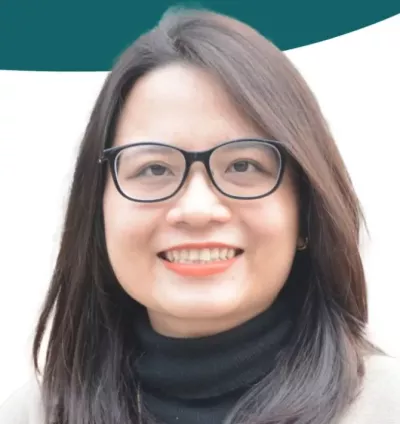
Binh Ta
Regional Program Officer for Measurement, Learning, and Evaluations, Alive & Thrive East Asia Pacific
Binh Ta is a Regional Program Officer for Measurement, Learning, and Evaluations at Alive & Thrive East Asia-Pacific, based in Hanoi, Vietnam. She leads technical oversight of key initiatives focused on strengthening evidence-based systems across the region, including the implementation of performance- and output-based models and the Centers of Excellence for Breastfeeding pilot sites in Vietnam.
With a scientific background and affiliation with FHI Solutions (FHI 360), Binh Ta supports multi-country monitoring and strategic research, enabling Alive & Thrive to drive scalable improvements in maternal, infant, and young child nutrition across East Asia and the Pacific.
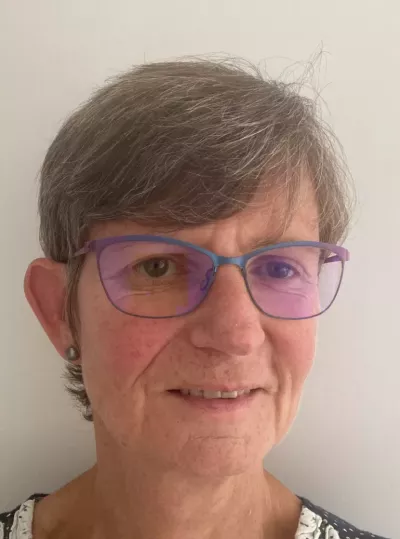
Anne Woods
Deputy Program Director, Leading on Assessments for the Baby Friendly Program, UNICEF United Kingdom
Anne Woods, Deputy Programme Director for the UNICEF UK Baby Friendly Initiative, plays a key leadership role in managing national-level assessments across midwifery, neonatal, health visiting, and children’s centre services in the UK. She also serves as a Vice Chair of the International Baby Friendly Hospital Initiative Network and is an experienced lead assessor and facilitator of UNICEF UK's training and accreditation courses. With over 30 years of midwifery experience—including roles as infant feeding coordinator and supervisor—she has contributed extensively to both policy and practice implementation of Baby Friendly standards in the UK.
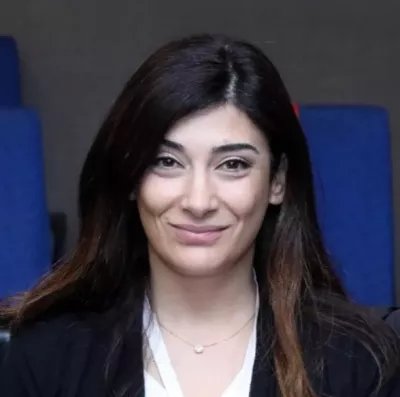
Pamela Zgheib
Head of the Mother and Child Department at the Ministry of Public Health (MoPH) in Lebanon
Pamela Zgheib has been leading the Mother, Child and School Health Unit at the Lebanese Ministry of Public Health (MoPH) since 2010. With over a decade of experience in childcare and public health, she plays a central role in shaping national policies and programs that promote the health and well-being of infants, children, and mothers in Lebanon.
Her work focuses on key public health priorities including maternal and child mortality and morbidity, Infant and Young Child Feeding (IYCF), and Early Childhood Development (ECD). She chairs both the National IYCF Committee and the National ECD Committee, leading multisectoral coordination and implementation efforts across the country. She also represents the MoPH at the National Committee for Human Rights and Children.
Beyond her leadership at the Ministry, Ms. Zgheib holds national and regional roles, including with the National Commission for Lebanese Women and the World Bank Group Mashreq Gender Facility, where she contributes to gender equality and health system strengthening initiatives.
An educator since 2006, she also lectures at the university level, sharing her expertise with future public health professionals. Her academic background includes degrees in Education, Health Engineering, and Health Management. She is currently pursuing a PhD in Public Health, further advancing her commitment to evidence-based policy and practice.