

Global Breastfeeding Scorecard, 2025
Breastfeeding rates are increasing but improved support is needed
About
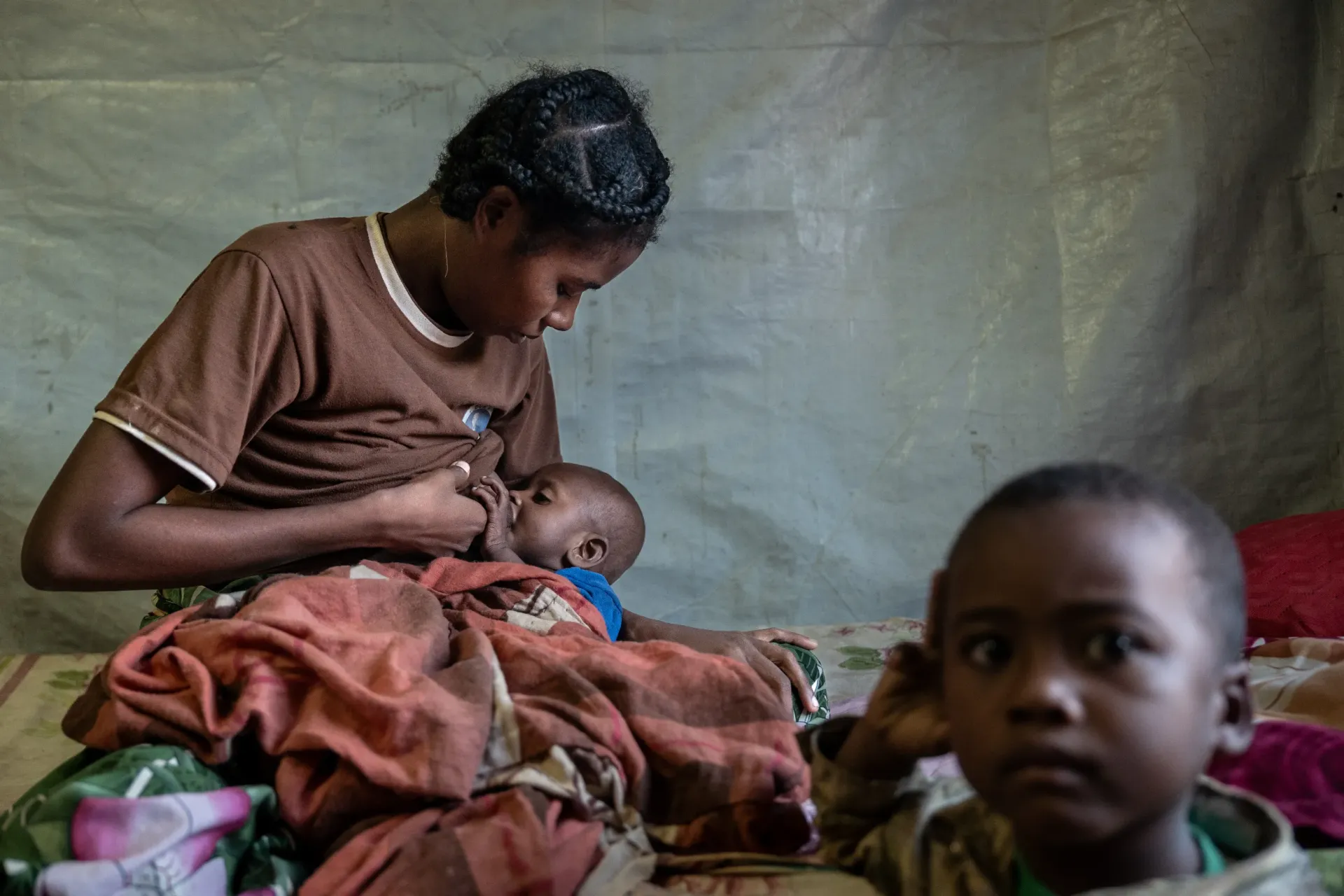
The 2025 Global Breastfeeding Scorecard reveals significant progress in breastfeeding practices worldwide, yet exposes critical gaps in the policies, programmes and funding needed to sustain this momentum. Nearly half of infants under 6 months are now exclusively breastfed—an 8 percentage point increase since 2020—and continued breastfeeding at one and two years has improved by roughly 10 percentage points over the past five years. These gains reflect the dedication of countries and advocates working to protect, promote and support breastfeeding as an essential investment in maternal and child health.
However, achieving the ambitious 2030 World Health Assembly targets requires accelerated action. The Assembly has called for 60 per cent of infants to be exclusively breastfed by 2030, alongside a 25 per cent relative increase in early initiation of breastfeeding and a 65 per cent increase in caregivers receiving infant feeding counselling. The 2025 Scorecard demonstrates that while breastfeeding practices are improving, the enabling environment lags dangerously behind. Donor funding for breastfeeding programmes remains far below needs, most countries fail to guarantee workplace protections, and three-quarters of countries lack comprehensive systems to protect breastfeeding during emergencies.
This annual tracking report assesses global progress across seven policy action priorities established by the Global Breastfeeding Collective: increasing funding, fully implementing the International Code of Marketing of Breast-milk Substitutes, enacting paid family leave and workplace policies, implementing the Ten Steps to Successful Breastfeeding in maternity facilities, improving access to skilled breastfeeding counselling, strengthening community support networks, tracking progress through robust monitoring systems, and investing in infant feeding support during emergencies. The Scorecard reveals that only 17 per cent of countries have legislation substantially aligned with the Code, only 10 per cent meet International Labour Organization standards for maternity leave, and a mere 4 per cent receive adequate donor funding per birth.
At the Paris Nutrition for Growth Summit in March 2025, 24 out of 61 countries stepped forward with concrete commitments to scale up breastfeeding support and drive transformative change. These pledges represent critical opportunities to protect child health, empower mothers and advance global nutrition goals. The Scorecard highlights 15 countries that achieved increases of at least 5 percentage points in exclusive breastfeeding rates between 2015-2019 and 2020-2024, with Bhutan, Burundi and Timor-Leste gaining more than 14 percentage points. Six countries now report exclusive breastfeeding rates above 60 per cent, demonstrating that ambitious targets are achievable with sustained commitment.
The 2025 Scorecard serves as both a progress report and a call to action for governments, donors, policymakers and civil society. Investing in breastfeeding delivers a remarkable benefit-cost ratio of 44:1 due to reduced health care costs and increased productivity, yet the estimated US$7.2 billion needed over ten years to scale up interventions globally remains largely unfunded. Aggressive marketing by commercial milk formula companies continues to undermine breastfeeding confidence and create unnecessary demand for products that carry significant health risks, particularly in resource-limited settings. The Scorecard empowers advocates with evidence-based benchmarks and targets for 2030, enabling accountability and strategic investment in programmes that will save lives and strengthen communities for generations to come.
Key findings
- Nearly half of infants under 6 months of age are exclusively breastfed, an increase of 8 percentage points compared to 2020
- In the last five years, the global rate of continued breastfeeding for a duration of one and two years has increased by roughly 10 percentage points
- Donor support for breastfeeding programmes has declined and remains far below what is needed to meet global targets
- Most countries still fail to guarantee workplace accommodations, such as breastfeeding facilities and paid breaks
- Only 40 per cent of countries have collected exclusive breastfeeding data in the past five years—a figure that is likely to worsen as international aid for maternal and child health data declines
- Three-quarters of countries lack systems to protect breastfeeding during crises, including formal policies, controls on infant formula donations and direct support for breastfeeding mothers
Photo credits: © UNICEF/UNI839411/Andrianantenaina; © UNICEF/UN0789098/Piojo
